
Most solar companies sell bigger systems. PowerCraft helps you find ways to need a smaller one.
We look at your home as a complete energy system — insulation, air leaks, HVAC, ductwork, pool equipment, water heating, electrical loads, and usage habits.
Start Free Energy EvaluationIf your home is wasting energy, adding more solar simply produces more power for the waste. That is expensive and backwards.
Many companies size solar from utility bills alone without looking at insulation, ductwork, HVAC, pool pumps, or hidden loads.
Oversized systems cost more money and can miss the real problem: your home may be consuming more energy than it should.
Reducing waste first can improve comfort, reduce monthly usage, and help determine appropriate solar and battery needs.
We call it Reduce Before You Produce™. It is simple: identify waste first, then determine the right energy strategy.
Find the leaks, inefficient equipment, bad schedules, and hidden loads driving up usage.
Identify the efficiency improvements that make financial sense before adding expensive production equipment.
Consider smart controls, monitoring, and schedule changes that may reduce peak energy waste.
Determine solar needs around real usage after reduction opportunities are understood.
Evaluate storage options for backup power, peak-rate management, and greater energy control.
Savings vary by home, usage, condition, utility rate, and installation quality. These are common upgrade areas that may reduce usage before solar.

Air leaks around attic penetrations, recessed lights, wall cavities, plumbing openings, and access doors can let conditioned air escape and attic heat enter.
Potential savings: 10–20%
Best for: drafty homes, hot rooms, attic heat transfer, older construction.
Evaluate Air Leaks
Poor attic insulation lets heat move into the living space, forcing your HVAC system to work harder during hot Southern California summers.
Potential savings: 10–25%
Best for: older homes, low insulation depth, hot ceilings, high summer bills.
Check My Insulation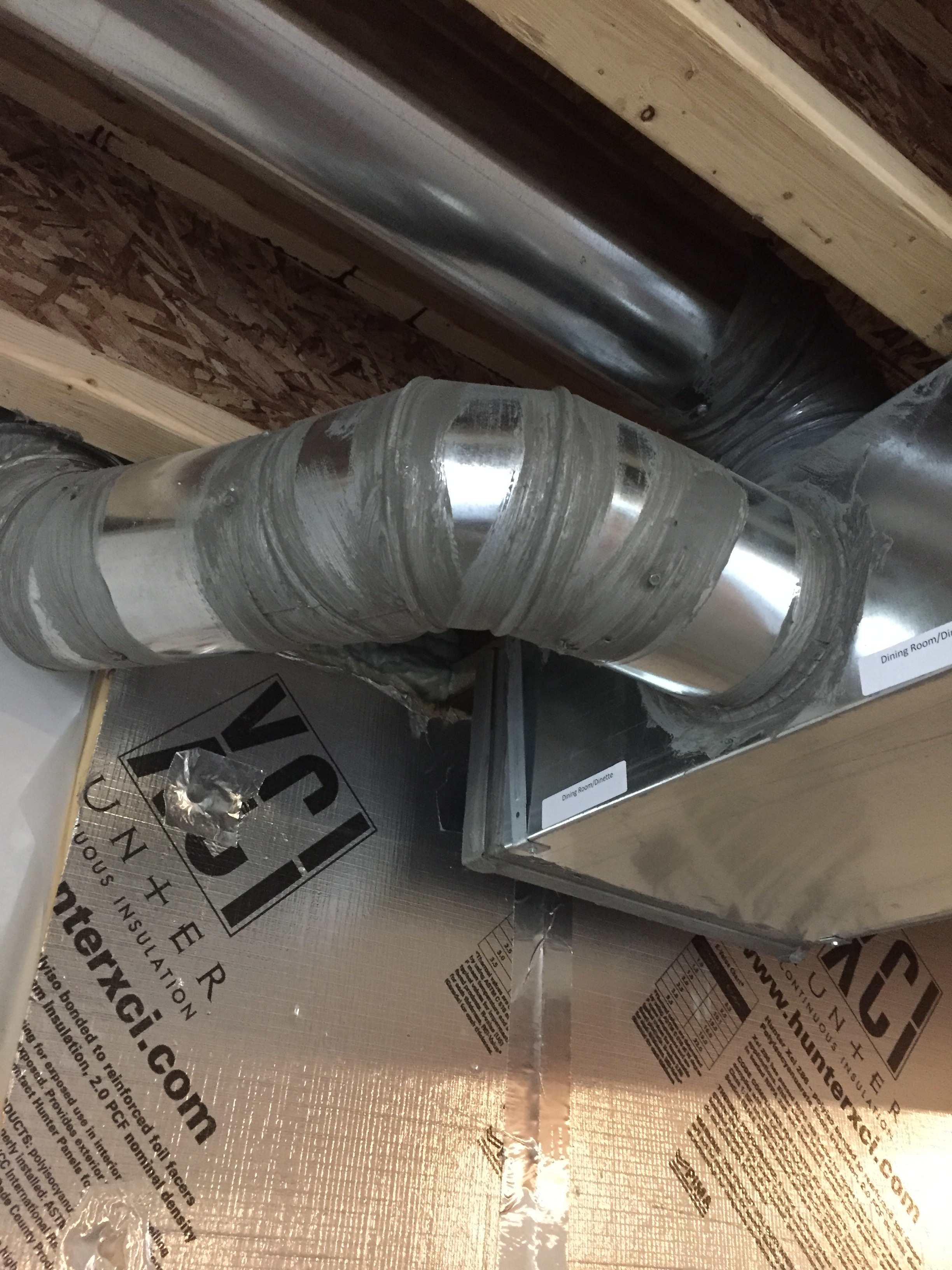
Leaky or damaged ductwork can waste conditioned air before it ever reaches the living space. In attic duct systems, that loss can be significant.
Potential savings: 10–30%
Best for: uneven rooms, attic ductwork, weak airflow, older HVAC systems.
Inspect My Ducts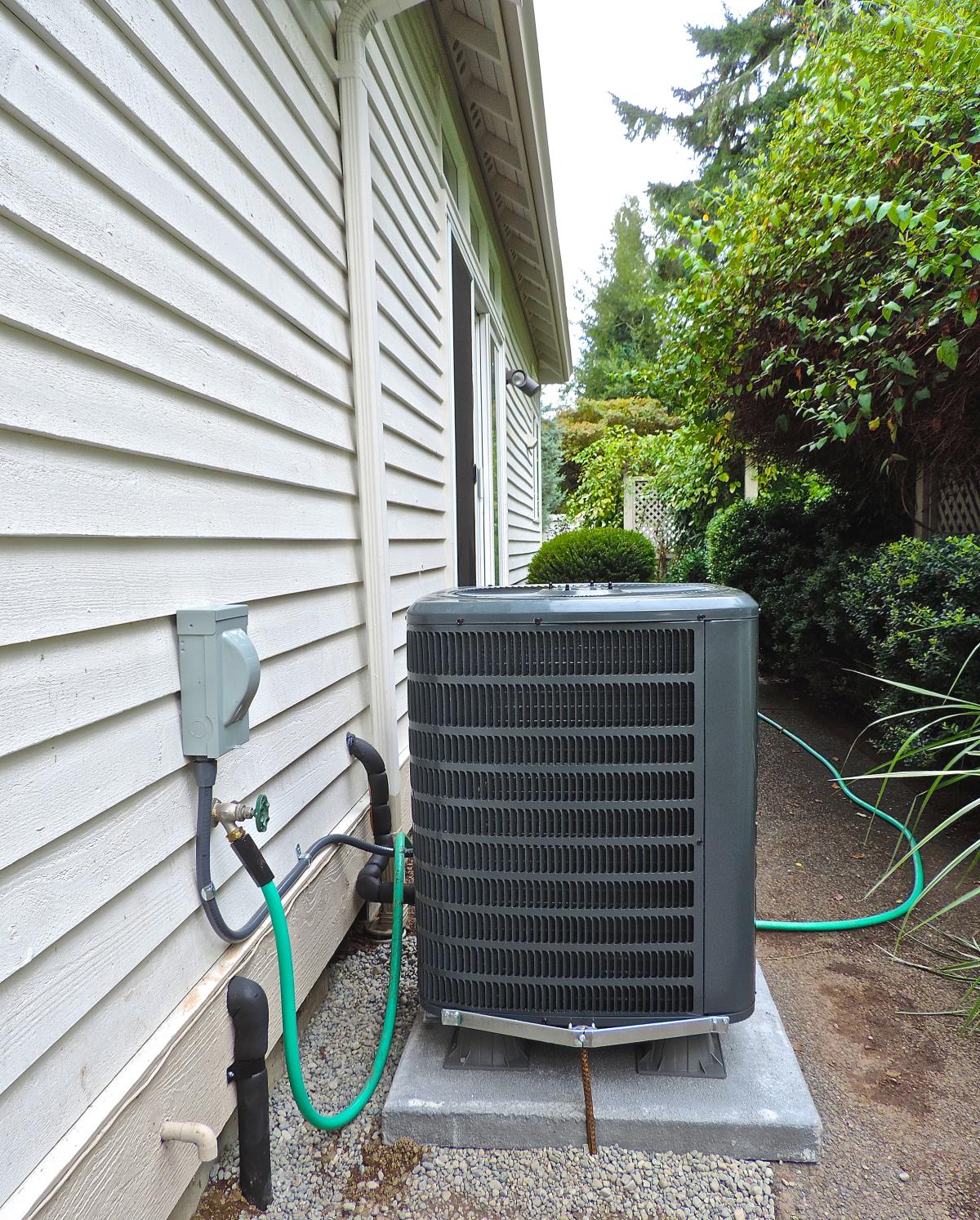
Heating and cooling are often among the largest loads in the home. Poor airflow, aging equipment, dirty coils, and duct problems can increase energy consumption.
Potential savings: 20–50%
Best for: high cooling bills, old systems, long runtime, hot rooms, poor comfort.
Review HVAC Load
Smart scheduling, remote control, and better temperature management can reduce unnecessary HVAC runtime without sacrificing comfort.
Potential savings: 5–15%
Best for: homes with inconsistent schedules, high HVAC runtime, vacation homes, rental properties.
Optimize Thermostat
Pool pumps can be a major electrical load in Southern California homes. Runtime, speed settings, and older single-speed pumps can significantly affect consumption.
Potential savings: 20–80%
Best for: homes with pools, old single-speed pumps, long run schedules, high summer usage.
Review Pool Load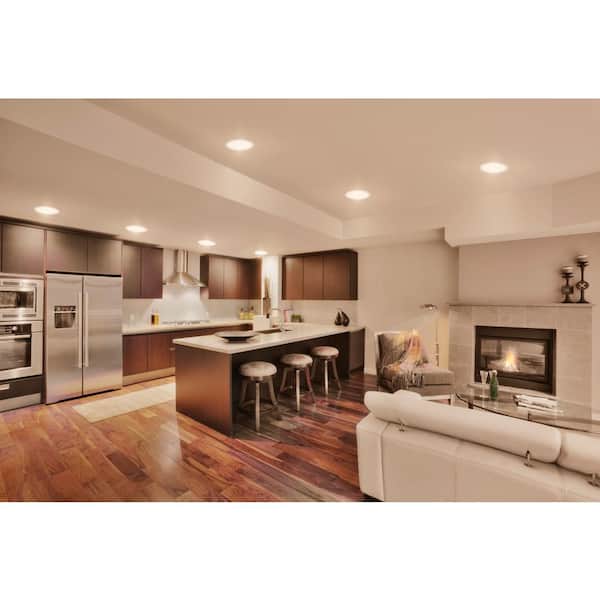
LED lighting can reduce lighting loads while improving brightness, color quality, and reliability.
Potential savings: 5–15%
Best for: older homes, shops, garages, exterior lighting, recessed lighting upgrades.
Review Lighting
Poor windows can increase heat gain, reduce comfort, and make HVAC systems work harder. Shading, film, sealing, or window replacement may help.
Potential savings: 5–20%
Best for: west-facing glass, single-pane windows, hot rooms, high afternoon heat gain.
Check Window Heat Gain
Water heating can be a major energy load. Heat pump water heaters, insulation, timers, and smart controls may reduce waste.
Potential savings: 10–30%
Best for: electric water heaters, large families, older units, high baseline usage.
Review Water Heating
You cannot manage what you cannot see. Monitoring can help identify hidden loads, peak usage, standby consumption, and unusual equipment behavior.
Potential savings: 5–15%
Best for: high bills, mystery loads, solar customers, EV owners, pool homes.
Find Hidden Loads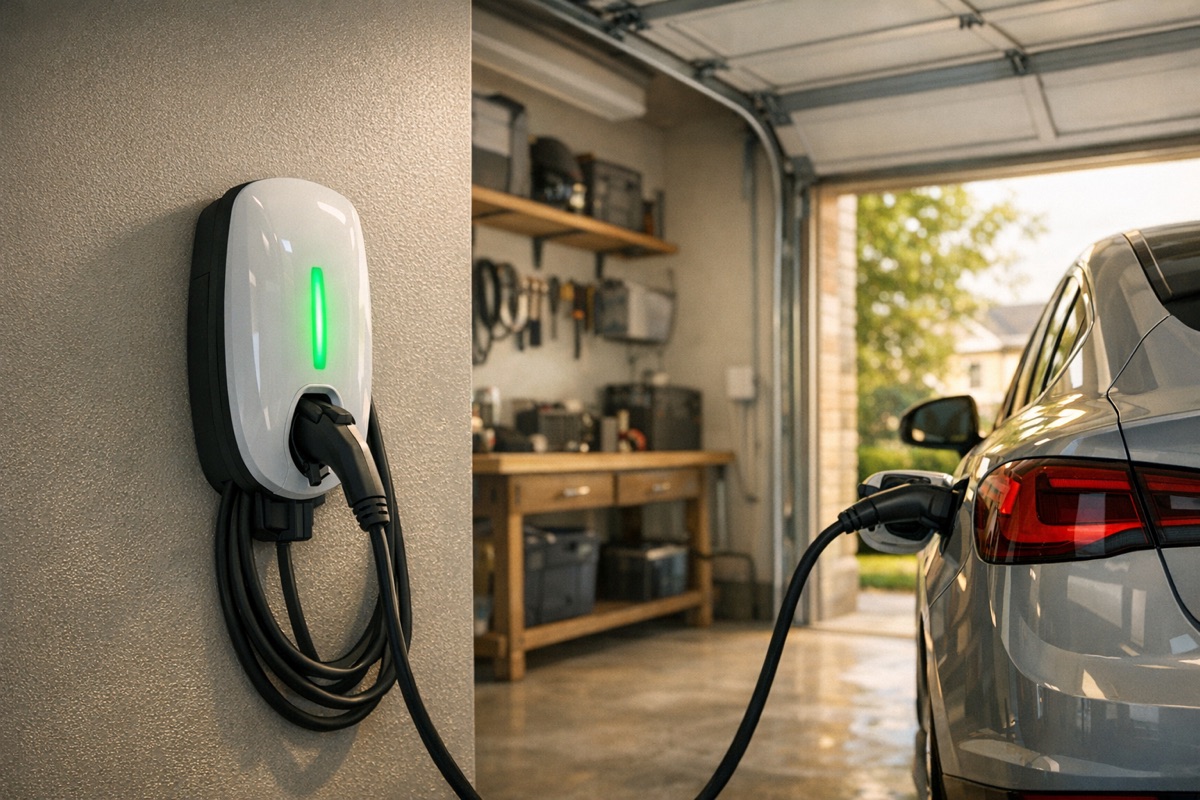
EV charging can be one of the largest loads in the home. Smart scheduling may help avoid expensive utility periods and better coordinate charging with the home's energy strategy.
Potential savings: Variable
Best for: EV owners, TOU rate customers, solar homes, high evening usage.
Optimize EV Charging
Hidden loads, old equipment, schedules, and inefficient equipment can quietly increase your energy bill. A load review can help identify what is actually consuming power.
Potential savings: Variable
Best for: high bills, unexplained usage, home offices, shops, EVs, pools, and older electrical systems.
Analyze My LoadsThese are the kinds of issues that can make a homeowner think they need a bigger solar system when part of the problem may be unnecessary energy consumption.
Old single-speed pumps can consume far more energy than necessary.
Conditioned air can be lost before it ever reaches the rooms.
Low insulation levels can force HVAC systems to run longer.
Aging systems may draw more power while delivering less comfort.
Electronics and equipment can consume power even when not actively used.
Charging at the wrong time can increase costs on time-of-use rates.
These are general ranges, not guaranteed savings. Actual results depend on your home, equipment condition, usage habits, utility rate, project scope, and installation quality.
| Upgrade | Typical Potential Savings |
|---|---|
| Pool Pump Optimization | 20–80% |
| HVAC Optimization | 20–50% |
| Duct Sealing & Repair | 10–30% |
| Water Heating Improvements | 10–30% |
| Attic Insulation | 10–25% |
| Air Sealing | 10–20% |
| Window Improvements | 5–20% |
| Smart Thermostats | 5–15% |
| LED Lighting | 5–15% |
| Whole Home Monitoring | 5–15% |
| EV Charging Optimization | Variable |
| Electrical Load Analysis | Variable |
Start with an evaluation. The goal is not to recommend every upgrade. The goal is to identify what may actually make sense for your home.
A home using 1,200 kWh/month may appear to need a large solar system. If efficiency improvements reduced usage to 850 kWh/month, however, the home's solar requirement could potentially be smaller and better matched to its actual consumption.
Usage: 1,200 kWh/month
Solar Need: Potentially larger system
Usage: 850 kWh/month
Solar Need: Potentially smaller system
Potentially better comfort, lower usage, and less unnecessary production equipment.
We look beyond individual products to understand how the home's major energy systems work together.
We understand energy systems and how they interact with the home they serve.
The focus is on identifying what makes sense for your home and energy goals.
15+ years of field experience with solar, batteries, electrical, construction, and home energy systems.
Start with a free home energy evaluation and get a clearer picture of where your energy dollars are going.
Get My Free Energy Evaluation